If you’ve ever sent a fundraising email, launched a campaign, or had a donor meeting and wondered why people didn’t give, this guide is for you.
Every donor—whether a long-time supporter, a new prospect, or a corporate partner—is quietly asking 3 key questions before deciding to give.
They might not say them out loud, but their brain runs through them in seconds.
If you can answer them clearly and confidently, you’ll transform how people respond to your message, whether during the holidays or any time of year.
Question 1: “Why should I care?”

This question may sound blunt, but it’s real.
This is a subconscious question your donors and prospects think when they land on your donation page, receive your fundraising letter, or email.
Every day, people are inundated with messages—ads, notifications, videos, podcasts, even flyers on a telephone pole.
Prospects decide fast: Is this relevant to me? Should I care?
Your campaign has to cut through the noise fast and answer that question from the very first line.
The goal isn’t to make donors the hero.
That old “you saved the day” narrative can slip into savior language and distance your audience from your mission.
Instead, think of donors as partners in impact, not buyers of a product.
They’re investors in change, not rescuers. They’re choosing where to invest their attention, trust, and money.
When donors feel like partners rather than one-time transactions:
- They stick around
- They give again
- They invite others
- They see themselves as part of something bigger
Before your next appeal, ask yourself: “Am I treating donors like partners or like transactions?”
This small mindset shift lays the foundation for trust, generosity, and long-term donor engagement.
Question 2: “Will my gift really make a difference?”
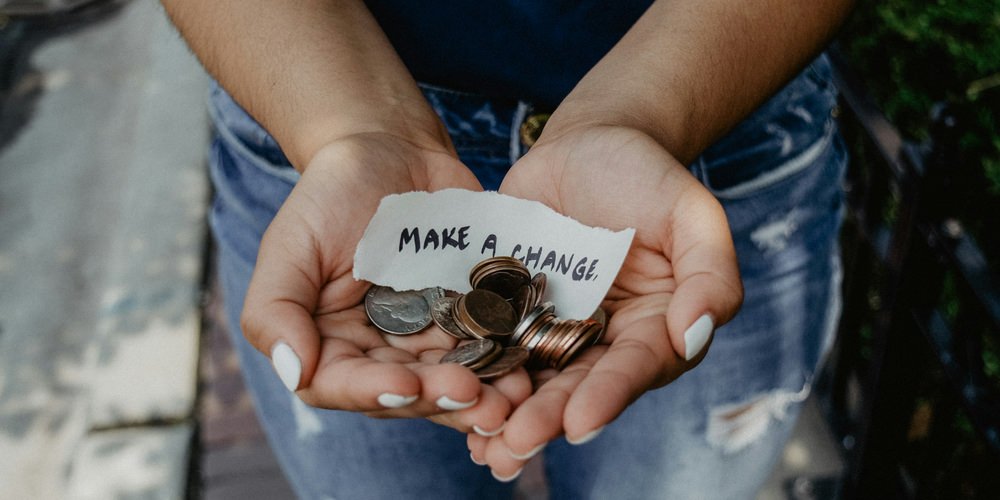
You’ve probably heard the phrase: “Your gift will make a difference.”
But donors are thinking more specifically: Will my gift actually make a difference?
They want to know:
- Is this a one-time donation or part of a bigger ripple of change?
- How does this connect to my values or the legacy I want to leave?
- Is this organization addressing root causes or just symptoms?
Example in practice
Let’s say you’re running a local animal rescue.
You could say: “$50 feeds a rescued cat for a week.”
But a deeper, more compelling message would be: “Your $50 helps a rescued cat today, and contributes to reducing the stray population in our community over the next 5 years.”
You’re not selling a week of food, you’re inviting donors into a movement of change.
Donors may fund a quick fix one-time, but repeat donors want to fund progress.
Show the connection between today’s action and tomorrow’s outcome.
Paint the picture: What happens in 3 years because of this decision today?
This is how you move donors from giving once to giving with intention.
Question 3: “Do I trust you?”

Trust is the make-or-break factor in giving.
It’s not built solely with badges or polished websites.
Transparent financials and an easy-to-use donation form matter, but that’s just the beginning.
Real trust is built when you show up as a human. Think: less formality, more humanity!
- Stop hiding behind brand sterile, buttoned-up formality.
- Let your community see the people behind the mission—the messy, honest, committed individuals doing the work.
This is why:
- Emails sent from a real name get opened (Example: “K.J. Martinez” instead of “Hope City Shelter”)
- Authentic updates outperform glossy press releases
- Peer endorsements carry more weight than any ad
Donors want to know the people behind the programs.
When you show up authentically, they stop questioning “should I donate?” and start believing that their gift has a tangible impact.
Action step before your next ask

Before your next appeal, campaign, or donor meeting, pause and ask:
- Why should they care?
- Does your message connect to their values and vision?
- Will their gift make a difference?
- Are you showing the ripple effect, not just short-term results?
- Do they trust you?
- Are you showing up like a real human and inviting connection?
If you can answer these questions clearly, you’ll stop chasing donors and start building lasting engagement.
If your campaigns aren’t getting the response you expect, it’s not because people don’t care. It’s because your message isn’t landing yet.
Download The Brave Fundraiser’s Guide from Splendid Consulting for simple prompts and strategic fixes to help your campaigns connect and convert faster.
80 Community Service Ideas for Nonprofits